
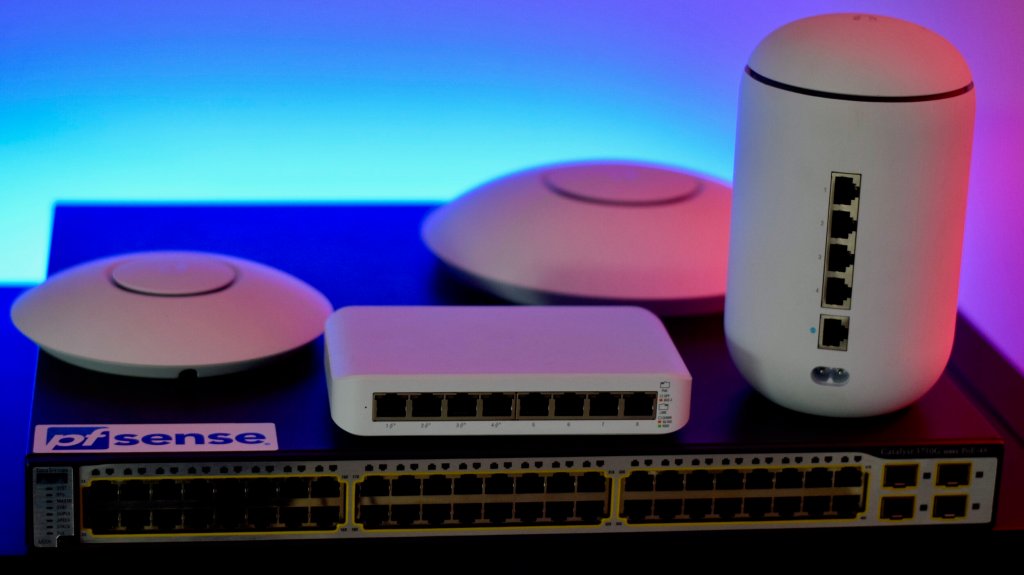
Networking forms the backbone of modern communication systems, allowing devices to connect and exchange information seamlessly. At its core, networking involves the interconnection of various devices, such as computers, servers, routers, and switches, to create a cohesive network infrastructure. These networks can span different scales, from small home networks to vast enterprise-level systems.
In a network, data is transmitted in the form of packets, which are small units of information. These packets are routed through the network using various protocols, ensuring their efficient delivery from source to destination. Understanding the basics of networking protocols, such as TCP/IP (Transmission Control Protocol/Internet Protocol), is essential for comprehending how data travels across networks.
Networks are classified based on their size and geographical scope. Local Area Networks (LANs) cover a small physical area, such as a home, office, or campus, while Wide Area Networks (WANs) span larger areas, often connecting multiple LANs across different locations. Additionally, Metropolitan Area Networks (MANs) bridge the gap between LANs and WANs, typically covering a city or metropolitan region.
To establish effective communication within a network, devices require unique addresses. This is where IP (Internet Protocol) addressing comes into play. IP addresses, typically represented in a format like “192.168.0.1,” identify devices and enable them to exchange data. Different IP address classes and subnetting techniques allow for efficient utilization of address space and logical division of networks.
By understanding the basics of networking, you’ll gain insights into how devices connect, communicate, and collaborate within a network infrastructure. This knowledge serves as a solid foundation for delving deeper into concepts such as DHCP, NAT, IP addressing, firewalls, VLANs, and other networking components that we will explore further in this section. So, let’s continue our journey and dive into the intricacies of networking to build a robust home lab environment.

About the blog
Home Lab Mentor is dedicated to educating individuals of all skill levels in various IT projects with a focus on home labs.
Newsletter
Subscribe to the email newsletter to gain updates on new posts and projects.
 Home Lab Mentor