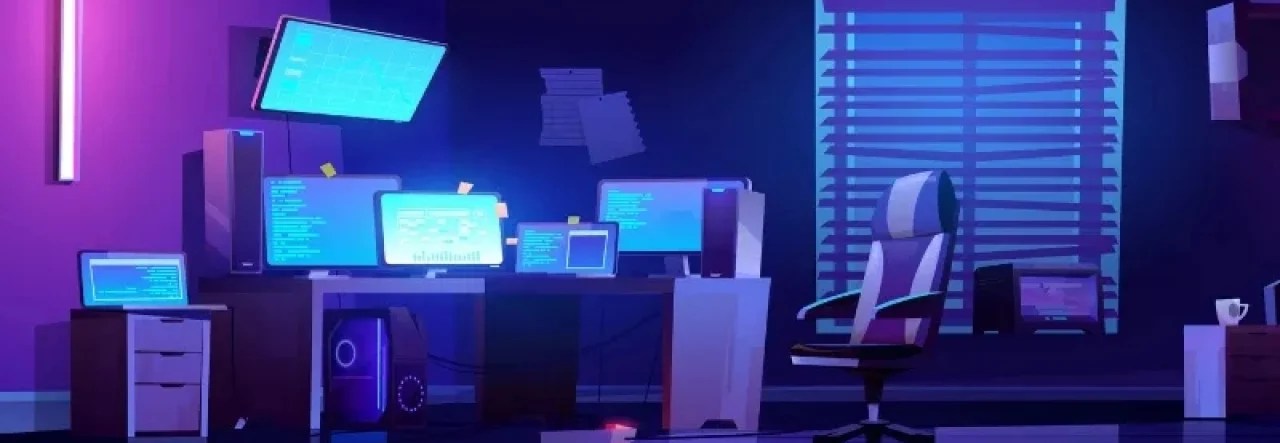
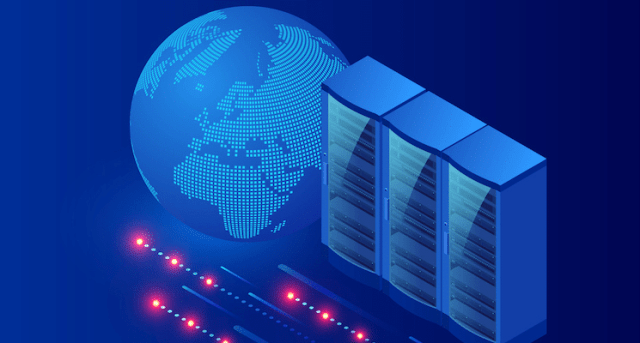
Setting up a home lab can be an exciting venture, whether you’re a student exploring the world of IT or a seasoned professional looking to enhance your skills. However, it’s important to address the fundamental aspects of power and cooling to ensure a reliable and efficient home lab environment. In this guide, we will dive into the essential considerations for managing power consumption and maintaining optimal cooling in your home lab. By understanding these factors, you can prevent hardware failures, extend the lifespan of your equipment, and create an environment that fosters seamless learning and experimentation.
Understanding Power Requirements:
When it comes to running servers and other networking equipment, power consumption is a critical aspect to consider. Before setting up your home lab, it’s essential to assess the power requirements of your devices and ensure your electrical infrastructure can handle the load. Here are some key factors to keep in mind:
- Equipment Power Consumption:
Begin by identifying the power requirements of each device you plan to include in your home lab setup. Manufacturers often provide power specifications in watts or volt-amperes (VA). Consider the aggregate power consumption of all devices to estimate the total power draw.
 - Power Outlets and Circuit Capacity:
Take stock of the power outlets available in your designated lab area. Ensure they can handle the number of devices you intend to connect. Additionally, check the electrical circuit’s capacity to prevent overloading. Consult an electrician if necessary to ensure safe and adequate power distribution. - Uninterruptible Power Supply (UPS):
Investing in a UPS is highly recommended, as it provides protection against power surges, outages, and fluctuations. A UPS acts as a buffer, offering sufficient backup power to shut down your equipment gracefully during outages, protecting your data and preventing hardware damage. - Energy Efficiency:
When selecting equipment for your lab, consider devices that are energy-efficient. Look for certifications such as ENERGY STAR, which indicate that the equipment consumes less power without compromising performance. Opting for energy-efficient devices not only reduces your environmental footprint but also helps lower your overall power consumption.
Cooling Considerations:
Running servers generates heat, and effective cooling is crucial for maintaining optimal performance and preventing hardware failures. Here’s what you need to know about keeping your home lab cool:
- Airflow and Ventilation:
Ensure proper airflow within your lab space by arranging equipment with sufficient space between each device. This spacing allows for natural convection and helps prevent the buildup of excessive heat. Keep in mind the following tips:- Avoid stacking equipment directly on top of each other.
- Leave space around the sides and rear of each device for air to circulate.
- If possible, position equipment near vents or windows to facilitate natural ventilation.
- Rack Mounting:
Consider using rack-mounted servers and networking gear as they are designed to promote efficient airflow. Rack-mounted devices often have built-in fans that direct airflow from the front to the back, ensuring effective cooling. - Cooling Systems:
For larger and more demanding home lab setups, you may need to explore additional cooling options. Here are two common cooling systems to consider:- Air Conditioning: Install an air conditioning system to regulate the ambient temperature in your lab, especially in hot climates or during the summer months.
- Liquid Cooling: This advanced cooling method involves using coolants or water blocks to transfer heat away from the equipment more efficiently. While liquid cooling offers excellent cooling performance, it requires more complex setup and maintenance.
- Temperature Monitoring:
Implement a temperature monitoring system to keep an eye on the ambient temperature in your home lab. Several affordable temperature sensors and monitoring software solutions are available, which can alert you to any critical changes or potential cooling issues.
By paying attention to power and cooling considerations, you can ensure the longevity and reliability of your home lab. Proper power management and effective cooling techniques will safeguard your equipment, prevent unnecessary downtime, and maximize performance. Whether you’re just starting or expanding your existing lab,
Now that you’re equipped with the knowledge of power and cooling considerations, it’s time to set up your home lab and embark on an exciting journey of discovery and innovation. Enjoy the process, make the most of your resources, and let your home lab become a hub of inspiration and exploration in the vast realm of IT.
 Home Lab Mentor